Easy Ramen Recipe (Homemade Shoyu Ramen in 30 Minutes)
Easy ramen recipe: a quick soy and garlic chicken broth, springy noodles, jammy soft-boiled eggs and green onions in 30 minutes.
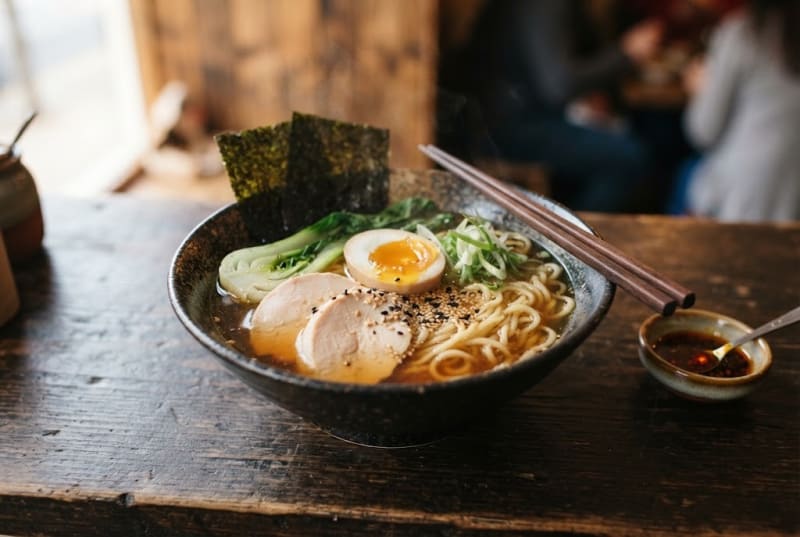
This easy ramen recipe gets a deep, savoury bowl of noodle soup on the table in about 30 minutes, with no all-day bone broth needed. It is a shoyu ramen, the soy sauce style that many Tokyo shops have served for decades, built from a quick chicken stock boosted with garlic, ginger, sesame and a touch of mirin.
Ramen came to Japan from China in the late 1800s, and the name is usually traced to the Chinese word lamian, meaning pulled noodles. Early shops in Yokohama and Tokyo called it shina soba or Chinese soba. After the war it became a cheap, filling meal, and every region developed its own style: miso in Sapporo, rich pork tonkotsu in Fukuoka and clear shoyu in Tokyo. Today ramen is one of Japan's most loved comfort foods.
A bowl of ramen has four parts: the tare (the seasoning at the bottom of the bowl), the broth, the noodles and the toppings. Here the tare is soy sauce, mirin and a little sugar. Frying garlic, ginger and the white parts of the green onions in sesame oil first gives store-bought stock a toasty depth in minutes. Ramen noodles are springy because they are made with kansui, an alkaline water, so look for fresh or dried ramen noodles rather than spaghetti. Cook them separately so the broth stays clear.
Swaps are simple. Use vegetable stock and add a piece of kombu and some dried shiitake for a vegetarian bowl. Swap the chicken for thin slices of pork, tofu or leftover roast meat. Gluten-free tamari and rice noodles work if you avoid wheat. A spoon of white miso or chili oil stirred into the broth changes the whole mood of the bowl.
Top your ramen with a jammy soft-boiled egg, sliced chicken, green onions, nori, corn or bean sprouts. A few drops of sesame oil or chili crisp at the end are always welcome. Eat it right away while the noodles are springy.
Watch how it is made on our YouTube channel: https://youtube.com/shorts/VCde9nX78Aw
Watch how it is made
Ingredients
- 2 eggs
- 1 tbsp toasted sesame oil
- 4 garlic cloves, finely grated
- 1 tbsp fresh ginger, finely grated
- 4 green onions, whites and greens sliced separately
- 1000 ml low-sodium chicken stockSubstitute: Vegetable stock with a piece of kombu and 2 dried shiitake for a vegetarian bowl
- 3 tbsp soy sauceSubstitute: Tamari for gluten-free
- 1 tbsp mirin
- 1 tsp sugar
- 250 g boneless chicken thighSubstitute: Thin-sliced pork belly, tofu or leftover roast meat
- 200 g fresh or dried ramen noodles
- 100 g baby spinach or bok choy
- 1 sheet nori, cut into rectangles
- 1 tsp toasted sesame seeds
- 1 tsp chili oil, to serve (optional)
Method
- Boil the eggs. Lower the eggs into boiling water and cook for exactly 6 minutes 30 seconds for jammy yolks. Move them to ice water, then peel and halve.
- Build the aromatics. Heat the sesame oil in a pot over medium heat. Fry the garlic, ginger and green onion whites for 1 minute until fragrant but not brown.
- Simmer the broth. Pour in the stock, soy sauce, mirin and sugar. Bring to a gentle simmer and taste; add more soy sauce if you want it saltier.
- Poach the chicken. Season the chicken thighs with a pinch of salt and simmer them in the broth until cooked through. Lift out, rest for 2 minutes and slice thinly.
- Wilt the greens. Drop the spinach or bok choy into the hot broth for 30 seconds, then lift it out.
- Cook the noodles separately. Boil the noodles in a separate pot of unsalted water according to the packet, usually 2 to 4 minutes. Drain well and shake off the water.
- Assemble the bowls. Warm two deep bowls with hot water and empty them. Add the noodles, ladle over the hot broth and lift the noodles with chopsticks so they do not clump.
- Top and serve. Arrange the chicken, egg halves, greens and nori on top. Finish with green onion greens, sesame seeds and a drizzle of chili oil, and eat right away.
Always cook the noodles in their own pot of water: the starch would make the broth cloudy and gluey. Have the broth hot and the toppings ready before the noodles go in, because ramen noodles soften quickly once they sit in soup. For marinated ramen eggs (ajitama), soak the peeled eggs in equal parts soy sauce, mirin and water for 2 hours or overnight.
Frequently asked questions
How do you make ramen broth taste better?
Fry garlic, ginger and green onions in sesame oil before adding the stock, and season with soy sauce, mirin and a little sugar. A spoon of miso, a splash of fish sauce or a piece of kombu adds even more depth.
What is the difference between shoyu, miso and tonkotsu ramen?
Shoyu ramen is seasoned with soy sauce and has a clear brown broth. Miso ramen uses fermented soybean paste for a thicker, nutty soup, and tonkotsu is a creamy, cloudy broth made by boiling pork bones for many hours.
Can I use instant ramen noodles for this recipe?
Yes. Throw away the seasoning packet and cook just the noodles, then use them in this homemade broth for a big upgrade.
How long do you boil an egg for ramen?
Boil it for 6 to 7 minutes from boiling water, then cool it in ice water. 6 minutes 30 seconds gives a firm white and a jammy, slightly runny yolk.
Why should ramen noodles be cooked separately?
Noodles release starch while they cook. Boiling them in separate water keeps the broth clear and stops the noodles from tasting floury or going soft too fast.
Can I make ramen vegetarian?
Yes. Use vegetable stock with kombu and dried shiitake mushrooms for umami, swap the chicken for tofu or mushrooms, and use soy sauce as the tare.